The forecast calls for gusts near 70 miles per hour. You pull the car inside and close the garage door. The panels hum. The door bows a little at the center. Then a hard gust hits, and the whole door rattles in its tracks.
Most people never think about wind load until that moment. Yet the garage door is the largest moving part of a house. It is wide and light for its size. It sits in thin steel tracks. When wind pushes on it, the door has to resist a lot of force.
Texas homeowners face this problem in different ways. Along the Gulf Coast, hurricanes drive strict state rules. In San Antonio and Central Texas, the risk comes from thunderstorms, straight-line winds and the occasional tornado. The rules differ by location. The physics does not.
This guide covers what a wind rating means, how doors are tested, and how to read a label. It also separates Gulf Coast requirements from San Antonio conditions, and it lists the questions to ask before you buy.
What Is a Wind-Rated Garage Door?
A wind-rated garage door has been tested to resist a stated amount of wind pressure. It carries a label that shows the rating. The rating depends on the door model, the door size, the hardware and the installation.
Here are the key points:
- Wind speed describes the weather. Design pressure describes what the door must resist.
- Ratings appear in pounds per square foot, often with both positive and negative values.
- Gulf Coast counties in the state’s designated catastrophe area need doors with a Texas Department of Insurance product evaluation.
- San Antonio sits inland, so those coastal rules do not apply. Local code and your site conditions still matter.
- A rated door performs as rated only when installers follow the manufacturer’s drawings.
No door is storm proof. A rating is a tested limit, not a promise. The goal is to match the limit to your home and your risk.
Why Garage Doors Fail First in High Wind
A garage door is a big, flexible surface. A 16 foot wide door has no wall behind it, only a few panels held by tracks and hinges. Wind pushes the door inward on the side facing the storm. On the far side of the house, wind pulls the door outward.
Standard doors can bend between the track supports. Panels can pop out of the track. Hinges can tear loose. Once the door fails, wind enters the garage. Air pressure inside the house rises fast. The roof and walls then carry loads they were not designed to handle.
The Texas Department of Insurance addresses this on its windstorm guidance for repairs after a storm. It states that in recent hurricanes, garage door failures contributed to about 80 percent of home failures. Treat that figure as TDI’s own statement, but the point is clear. The garage door is a critical part of the building envelope.
Flying debris adds another risk. Loose roof shingles, fence boards and tree limbs can strike a door at speed. A door with glass panels can break. Broken glass lets wind inside, even if the frame holds.
Strong storms hit Texas in many forms. Hurricane Harvey in 2017 came ashore near Rockport. Hurricane Beryl in 2024 crossed the coast near Matagorda and moved over the Houston area. Inland, severe thunderstorms and tornadoes can produce damaging gusts with little warning. The cause differs. The stress on the door looks similar.
Wind Speed, Wind Load and Design Pressure Explained
These terms get mixed up. Each one has a job.
Wind Speed
Wind speed is the speed of the air. Building codes use a three-second gust, measured in miles per hour. This is the short burst that stresses a structure, not the average wind. Local code sets a design wind speed for each area.
Design Pressure
Design pressure is the force the door must withstand, measured in pounds per square foot, or psf. It comes from the design wind speed, plus factors such as terrain, building height and door location.
Ratings list two directions. Positive pressure pushes the door inward. Negative pressure pulls it outward. A label may show something like plus 30 and minus 35 psf. The two numbers are often different.
Wind Load
Wind load is the total force on the door. Multiply the pressure by the door area. A 16 by 7 foot door has 112 square feet. At 30 psf, the load is about 3,360 pounds spread across the door. A 9 by 7 foot door has 63 square feet. At the same pressure, its load is about 1,890 pounds.
This is why door size matters. A wider door sees more total force. It also flexes more between supports. Double-car doors often need more reinforcement than single doors at the same wind speed.
Exposure and Location
Two homes in the same city can have different loads. Engineers rate terrain as exposure categories. Exposure B covers suburbs and wooded areas with many obstructions. Exposure C covers open terrain with scattered obstacles, such as ranch land. Exposure D covers flat, open areas near large bodies of water, such as the coast.
A home on an open hilltop in Helotes may see higher wind than a house in a dense San Antonio neighborhood. The door location on the building also counts. Corners and edges of a wall see higher pressure than the center. The ASCE 7 standard from the American Society of Civil Engineers provides the method engineers use to calculate these loads.
How Wind-Rated Doors Are Tested
Ratings come from lab testing. The tests follow published standards, so results can be compared.
Pressure Testing
In a pressure test, a technician mounts the door in a test chamber. The chamber applies air pressure to one side, then the other. Sensors measure how much the door bends. Inspectors check for failure, such as panels leaving the track or parts breaking.
The most common methods are ASTM E330 and ANSI/DASMA 108. DASMA stands for the Door and Access Systems Manufacturers Association. Its standard is written for sectional garage doors and rolling doors. Many tests also load the door beyond the design pressure, often by a safety factor of 1.5, to check that it does not fail.
Model codes such as the International Residential Code and the International Building Code point to these test methods for garage doors in areas with wind design requirements. The International Code Council publishes both codes. Texas does not adopt one residential code for the whole state. Cities and counties choose which version applies, so check with your local building office.
Impact Testing
Impact testing is a separate step. It checks whether a door can resist flying debris. Labs fire a lumber missile at the door, then apply repeated pressure changes. The door must stay intact and keep the opening closed.
Two standards cover this work: ASTM E1886 for the test method, and ASTM E1996 for the performance requirements. TDI references both when it discusses windborne debris. Doors that pass are called impact rated, or windborne debris rated.
Impact testing matters most where code requires protection from windborne debris. Under the IRC, this zone covers areas near the coast with high design wind speeds. It also matters when a door has glass panels in such a zone.
Wind-Rated, Impact-Rated and Standard Doors Compared
These categories overlap, so owners often mix them up. The table below sorts them out.
| Door Type | What It Resists | Label to Look For | Best Fit |
| Standard door | Everyday weather and normal wind | Usually no pressure rating | Sites where local code does not require a rated door |
| Wind-load rated | Uniform wind pressure, inward and outward | Design pressure in psf and the test standard | Inland sites with wind design requirements, open lots, tornado-prone areas |
| Impact rated | Wind pressure plus flying debris | Impact test standard and an approval number | Windborne debris regions and Gulf Coast properties |
A door can be wind-load rated without being impact rated. TDI notes that a product does not need to be impact resistant for the agency to write an evaluation report. The door must meet the pressure requirements for the zone. Impact resistance becomes a requirement in windborne debris areas or when the door has glass.
Hail is a separate issue. A wind rating says nothing about hail damage. Hail can dent steel panels and crack glass at normal wind speeds. Ask your insurer how it treats hail on garage doors.
Texas Wind Rules: Two Different Worlds
Texas does not have one wind code for every home. The rules depend on where you live.
The Gulf Coast: TDI and TWIA
The Texas Department of Insurance runs the windstorm program for the coast. It covers a designated catastrophe area. The area includes 14 first-tier coastal counties and parts of nearby areas, such as portions of Harris County. The exact boundaries do not always follow county lines. TDI posts maps on its website, so check your address there.
Properties in this area can apply for wind and hail coverage through the Texas Windstorm Insurance Association, or TWIA. TWIA acts as the insurer of last resort for the area. To qualify, new construction and many repairs, additions and alterations must meet the windstorm building code. A Certificate of Compliance serves as proof of eligibility.
Garage doors are part of this process. TDI reviews garage door products and publishes product evaluation reports. Each report lists the door model, the allowed sizes, the maximum design pressure, and the installation details. Doors with a TDI evaluation carry a label that shows the manufacturer, the product code, the allowable design pressure, and the evaluation report number.
A few details matter for coastal buyers:
- TDI splits the area into wind zones, such as Seaward, Inland I and Inland II. Each zone has its own design wind speed.
- Some zones limit ventilation openings. TDI’s door requirements restrict doors with more than 25 percent of the area as ventilation in certain zones.
- Windborne debris areas may require impact-resistant doors, especially if the door has glass.
- A product evaluation does not approve the door for every building. The door must fit the pressure and size limits listed in the report.
- The contractor must follow the installation drawings and fasteners in the evaluation.
For help with a coastal address, TDI lists a phone line for windstorm questions at 800-248-6032, option 3. The agency also publishes windstorm guidance on repairing and replacing garage doors that explains what to check before work begins.
San Antonio and Central Texas
San Antonio is more than 100 miles from the Gulf. Bexar County is outside TDI’s designated catastrophe area. So the TWIA certificate rules do not apply to a typical San Antonio home.
That does not mean wind is a minor issue. Central Texas gets severe thunderstorms, straight-line winds, hail and tornadoes. Tropical systems can also push strong gusts inland after landfall. A door that holds up on a calm day may struggle in these events.
Here is how the rules usually work in the San Antonio area:
- The City of San Antonio adopts building codes through its Development Services Department. Smaller cities and unincorporated areas may follow different rules.
- Codes set design wind speeds for the region. Those speeds are lower than coastal values.
- New homes should have doors that meet the design pressure for the site, based on the approved plans.
- Some homeowners choose a wind-rated door as an upgrade, even where code does not call for one.
- HOAs may have rules on door style, color and glass. Check them before you order.
If you are unsure what applies to your address, call the local building office. Ask what design wind speed and exposure category the city uses, and whether a rated door is required for a replacement.
Hill Country and Open Lots
Terrain changes risk. Homes in Helotes, Spring Branch and parts of New Braunfels may sit on slopes or open lots. Wind there can reach the house with fewer obstacles to slow it. A garage door facing the prevailing wind sees more load than one tucked behind a neighbor’s home.
For these sites, a door rated above the minimum may be a smart choice. A building professional can help estimate the pressure for your lot. Do not guess from a general chart.
How to Check Whether Your Garage Door Is Wind-Rated
You can check your own door in a few minutes. Follow these steps:
- Close the door and look at the inside face. Check the bottom panel, the top panel and the side edges, called stiles.
- Look for a label or sticker. Note the manufacturer name, the model and the size.
- Read the design pressure. Look for psf values, often with plus and minus signs.
- Look for an approval or evaluation number. In Texas, this may be a TDI evaluation number. Some doors also show a Miami-Dade approval or a Florida product approval, which come from other programs.
- Compare the label with your purchase papers, building plans or permit records.
- If the label is missing, contact the installer or the manufacturer with the model and serial details.
A missing label is a warning sign. Labels fade, and some were never applied. Do not assume the door is rated. Get written confirmation from the manufacturer if you need proof for insurance or a permit.
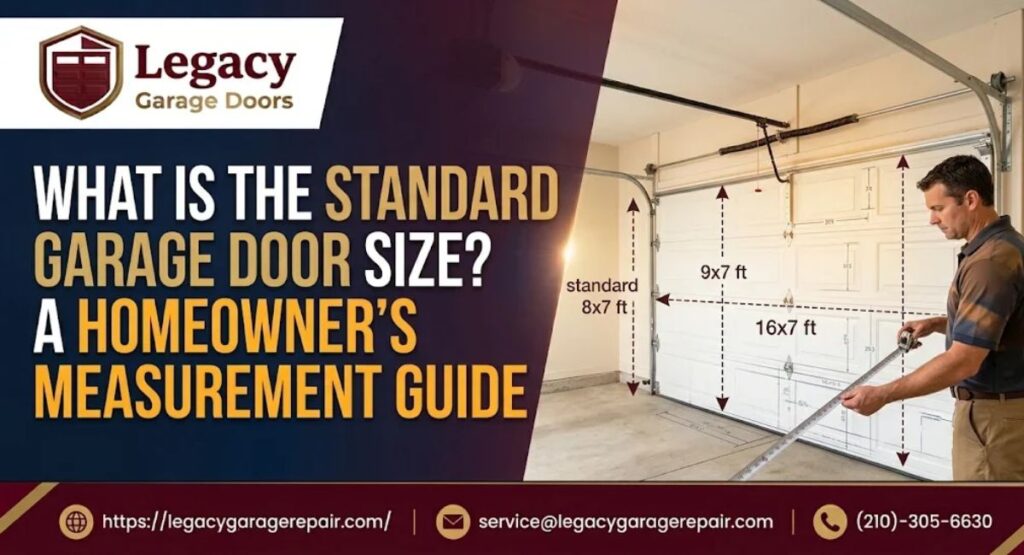
Check the opening size too. A rating applies to the tested door sizes. A 16 by 7 door cannot borrow the rating of an 8 by 7 door. If you want to review typical sizes before you shop, the standard garage door dimensions are a useful starting point.
How to Match a Rating to Your Home
A higher number is not always the right number. The goal is a rating that meets or exceeds the pressure required for your site.
Several inputs drive the required pressure:
- The design wind speed for your location
- The exposure category of your lot
- The height of the building
- The risk category of the structure
- The size of the door
- The door location on the wall
For a new build, the plans or the builder usually list the required pressure. For a replacement, ask your building department or a licensed engineer. In the TDI area, the product evaluation report lists limits by zone and size, so you can compare directly.
Some manufacturers also offer tools or charts that connect location and size to a suitable model. Treat these as a starting point. Confirm the final choice with the local authority.
If the required rating is higher than the door in your catalog, you have options. A narrower door or a different model may help. A heavier door or added reinforcement may also meet the target.
What Makes a Door Wind-Rated
A wind-rated door looks like a normal door from the street. The differences sit in the details.
Common upgrades include:
- Thicker steel or stronger panels
- Horizontal struts that stiffen the panels across the width
- Heavy-duty hinges, often more of them
- Reinforced end stiles, where the hinges and rollers attach
- Stronger track, with thicker brackets and more fasteners
- Reinforced bottom brackets and cable attachments
- Specified fasteners and anchoring into the framing
Windows change the equation. Standard glass can break from debris. In areas that require impact protection, doors use laminated or impact-tested glazing. Some owners skip windows to reduce risk.
Door type matters as well. Sectional overhead doors in Universal City TX are the most common style in homes. Their panels connect with hinges and roll on tracks. Manufacturers test many sectional models with reinforcement packages. Other styles, such as roll-up or carriage designs, have their own test paths.
Springs and cables also play a role. Torsion springs store large amounts of energy. Do not adjust or replace them yourself. A trained technician should handle all spring and cable work.
Installation Matters as Much as the Door
A rated door can fail if the installation does not match the tested setup. Test labs mount doors in a specific frame. The rating assumes the same attachment in your home.
Several points decide the result:
- Framing. The jambs and header must be solid. Rotted or weak wood cannot hold the track.
- Anchors. Fasteners must be the size and type in the manufacturer’s drawings. Wrong screws can pull out.
- Track alignment. Tracks must be plumb and level. Poor alignment adds stress.
- Reinforcement. Struts and brackets must go where the drawings show.
- Opening size. The door must match the opening within the tested limits.
In TDI areas, the contractor must follow the fasteners and details in the evaluation report. Elsewhere, follow the manufacturer’s instructions. Ask for a copy of the installation drawings and keep it with your home records.
A professional garage door installation team can check the framing, confirm the opening and match the door to the required rating. This also helps if your insurer or building department asks for documents later.
Retrofit, Replace or Keep Your Current Door
Not every homeowner needs a new door. The right path depends on the age and condition of the door, and on the rating you need.
| Option | Best For | Limits |
| Keep and inspect | Newer doors with a visible rating label and good condition | Does not help if the rating is too low or missing |
| Retrofit bracing kit | Existing doors that need added stiffness | Must be approved for your door model and size, so confirm before buying |
| Replace with a wind-rated door | Old, damaged or unrated doors; sites with a code requirement | Higher cost, and installation must follow the drawings |
| Replace with an impact-rated door | Windborne debris areas or doors with glass | Highest cost, and fewer style options |
Retrofit kits deserve caution. They add horizontal bracing, and some also add vertical posts or stronger track. A kit may help in some cases. But a kit only counts when it is tested and approved for your specific door. Ask the kit maker for proof. In TDI areas, confirm that TDI recognizes the product.
Age also matters. Hinges wear, panels rust and springs weaken over time. Most doors last about 15 to 30 years, depending on use and care. This article on how long a garage door lasts lists the signs that point to replacement. If your door is near the end of its life, upgrading to a rated model is more cost effective than patching it.
Storm-Day Habits That Protect Your Door
A good door still needs good habits. A few steps help during a storm.
- Keep the door closed and latched when high wind is forecast. Do not open it during the storm.
- Lock the door if it has a slide lock or a deadbolt, and follow the manufacturer’s directions.
- Move vehicles inside before the storm arrives, and secure loose items in the garage.
- Clear the driveway of debris that could become a projectile.
- Know how the manual release works in case power fails. This guide on how to open a garage door during a power outage walks through the steps safely.
An opener does not add wind strength. It moves the door up and down. In a storm, the track, hinges and panels carry the load. If the door is bent or off its track after a storm, stop. Do not run the opener. Forcing a damaged door can cause more damage or injury.
The National Weather Service posts forecasts and alerts for the San Antonio and Austin area. Check alerts before a storm and move belongings early.
After a Storm: Inspect Before You Use the Door
Wind damage is not always obvious. Check the door once the storm has passed.
Look for these signs:
- Dents or creases in the panels
- Bent or twisted tracks
- Gaps between the door and the jamb
- Loose or missing fasteners
- Cracked hinges or rollers
- Cables that look frayed or loose
- Cracked glass or broken seals
- A door that sticks, shakes or hangs unevenly
Take photos before any repairs. They help with insurance claims. Then call a technician to inspect the door. A garage door repair visit can tell you whether the damage is minor or whether the door needs replacement. Damage to the track or the framing may affect the rating, even if the door seems to work.
Insurance, Permits and Resale
A wind-rated door can affect paperwork. A few points are worth checking.
Insurance. In the TDI area, a compliant door supports the Certificate of Compliance needed for TWIA coverage. Inland, policies vary by carrier. Some insurers ask about wind-resistant features, and some offer credits for them. Ask your agent what documents they accept.
Permits. Many cities require a permit for garage door replacement, especially for structural changes. Rules differ by city. Ask your building department before you start.
Resale. Buyers and inspectors often ask about storm protection, especially on the coast. A rated door with a label and drawings is easy to document. It can make an inspection smoother.
HOA approval. Neighborhood rules may limit door style, color or windows. Get approval before you order.
What Affects the Cost of a Wind-Rated Door
Wind-rated doors usually cost more than standard doors. Prices vary too much to give one number. These factors drive the cost:
- Door size, with double doors costing more than singles
- The rating level, since higher pressure needs more reinforcement
- Panel material and thickness
- Insulation and design options
- Impact-rated glass, if you want windows
- Installation work, such as framing repairs or added anchors
- Permit fees in your city
Ask for a written quote that lists the door model, the rating and the installation scope. Compare quotes on the same rating, not only on price.
Common Myths About Wind-Rated Garage Doors
A few ideas cause bad decisions. Here are the most common ones:
- “Wind-rated means hurricane proof.” No door is proof against every storm. A rating states a tested limit.
- “Extra struts make any door rated.” Struts help, but only tested assemblies carry a rating.
- “A strong opener keeps the door shut.” Openers do not resist wind. The door and track do.
- “Wind-rated also means hail-rated.” These are separate. Check hail performance on its own.
- “San Antonio does not need to think about wind.” Inland storms can produce damaging gusts. The code differs from the coast, but the risk is real.
- “The label is optional.” The label proves the rating. Without it, you cannot verify the door.
Questions to Ask Before You Buy
Bring these questions to your installer or dealer:
- What design pressure does this door carry, and for what size?
- Is the door tested to ANSI/DASMA 108 or ASTM E330?
- Does it have a TDI evaluation, if I live in the coastal area?
- Is the door impact rated, and does it need to be at my address?
- What do the installation drawings require for framing and fasteners?
- Will the label be applied, and will I get a copy of the documents?
- What does the warranty cover in high wind?
Clear answers signal a prepared contractor. Vague answers are a reason to keep looking.
What Homeowners Should Know About Wind-Rated Garage Doors
What does wind-rated mean for a garage door?
It means the door was tested to resist a set amount of wind pressure. The rating appears on a label, usually in pounds per square foot.
Do I need a wind-rated garage door in San Antonio?
It depends on local code and your plans. San Antonio is outside TDI’s coastal area, so the TWIA rules do not apply. Check with the local building office for your address.
Is a wind-rated door the same as an impact-rated door?
No. A wind-rated door resists pressure. An impact-rated door resists pressure and flying debris. Impact rating matters most in windborne debris areas.
How do I know if my garage door is wind-rated?
Check the label on the inside of the door. Look for a design pressure rating and an approval number. If the label is missing, contact the maker or installer.
What wind speed can a garage door handle?
Ratings use pressure, not wind speed. The door must match the pressure required for your site. Local code and exposure decide that number.
Can I add wind bracing to my current door?
Sometimes. Retrofit kits exist, but a kit must be approved for your door model and size. Confirm approval before you buy.
Does a wind-rated door lower insurance costs?
It can in some cases. Policies vary by insurer. Ask your agent which features count.
Who can tell me the required rating for my house?
Your local building department, the plans for your home or a licensed engineer can supply the number. In the TDI area, the product evaluation reports list limits by zone.
Final Takeaway
A wind-rated garage door is a tested system, not a label alone. The door, the track, the framing and the installation all work together. Read the label. Match the design pressure to your site. Confirm the approval that applies to your address.
On the Gulf Coast, TDI evaluations and TWIA requirements shape the choice. In San Antonio and Central Texas, local code and site exposure take the lead. Open lots, hilltops and wide doors deserve extra attention. Hail needs its own check.
Start with your current door. Look for the label and note the rating. If it is missing, low or damaged, plan an upgrade before storm season.
If you want a second opinion, a garage door service in San Antonio, TX can inspect your door, check the opening and recommend a rating that fits your property. Contact Legacy Garage Doors to schedule an inspection and get a clear quote before the next storm arrives.